

A Brief Guide to the 7 Types of Timeless Ceramics
From handcrafted dinner plates to heirloom serving bowls, ceramics have shaped the way we gather around the table for thousands of years. Every piece tells a story through its texture, finish, firing process, and cultural roots. Whether rustic and earthy or refined and delicate, ceramic tableware brings artistry into everyday dining.
Here’s a look at seven of the most influential ceramic and pottery styles that continue to inspire modern tableware design today.
1. Earthenware
https://mulam.in/earthenware/
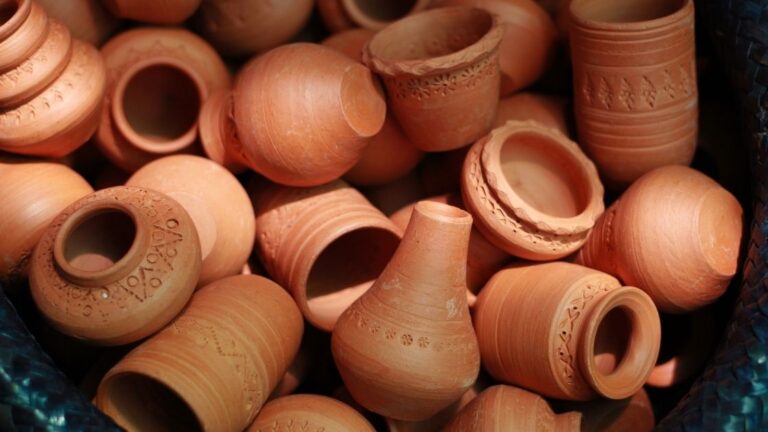
Earthenware is one of the oldest forms of pottery, dating back thousands of years to ancient civilizations in Mesopotamia, Egypt, and China. Made from clay fired at lower temperatures, earthenware has a soft, porous texture and a warm, natural appearance.
Traditionally, earthenware was used for cooking vessels, storage jars, and everyday tableware. Today, it’s loved for its handcrafted charm and organic feel. Many rustic dinnerware collections use glazed earthenware to create artisanal, relaxed table settings.
Known for:
-
Warm earthy tones
-
Rustic, handmade appearance
-
Slightly porous texture
-
Casual everyday dining aesthetics
2. Stoneware
:max_bytes(150000):strip_icc()/antique-stoneware-937899014-5aeb8f36a474be0036007cc7.jpg)
Credit: KenWiedemann / Getty Images
Stoneware became especially popular in Europe during the Middle Ages and remains one of the most widely used materials in modern tableware today. Fired at higher temperatures than earthenware, stoneware is dense, durable, and naturally resistant to moisture.
Its versatility makes it ideal for plates, mugs, serving bowls, and bakeware. Modern stoneware often features matte glazes, speckled finishes, and minimalist shapes that suit both contemporary and organic-inspired interiors.
Known for:
-
Exceptional durability
-
Slightly heavier feel
-
Natural matte or speckled finishes
-
Ideal for everyday use
3. Porcelain
https://fineart-restoration.co.uk/news/is-it-ming-the-value-care-and-restoration-of-chinese-porcelain/
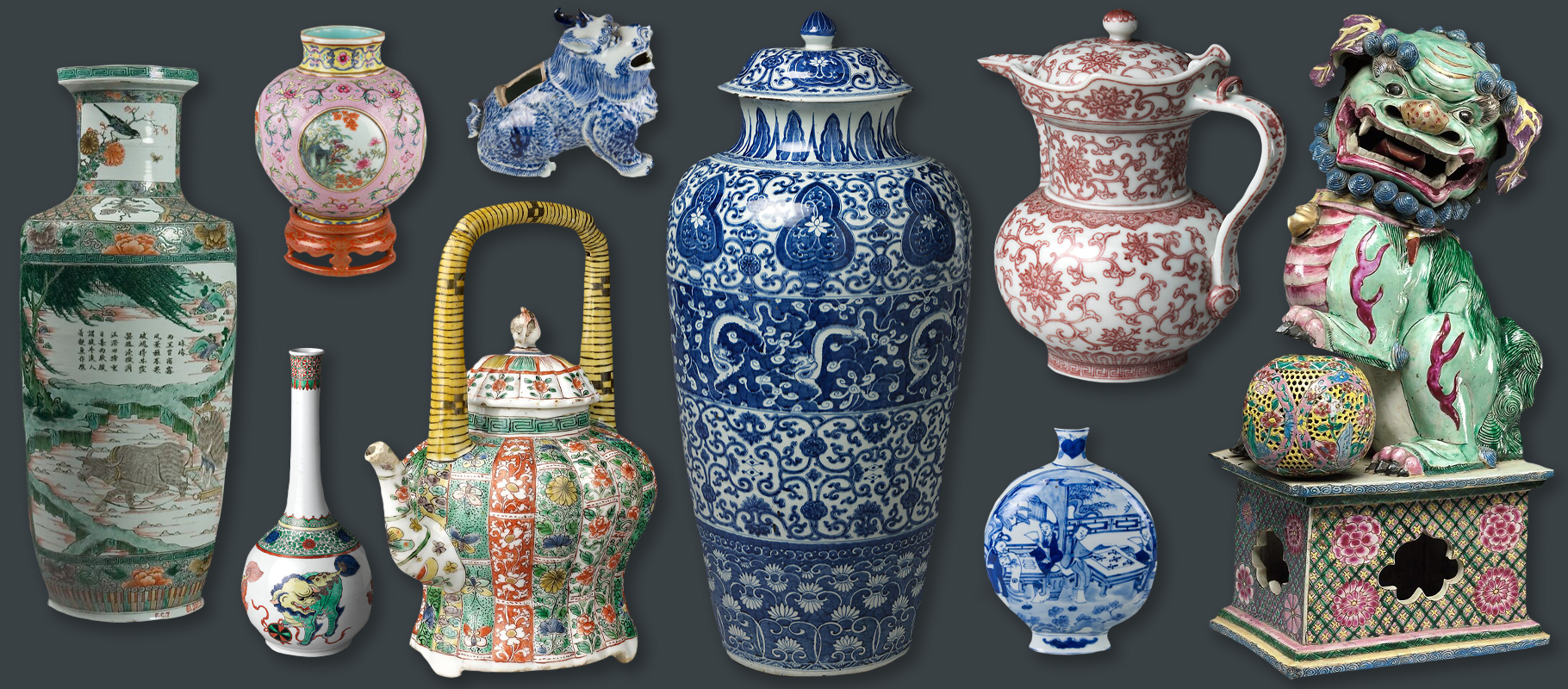
Porcelain originated in China during the Tang Dynasty and was once considered one of the world’s most valuable luxury goods. Crafted from refined clay and fired at extremely high temperatures, porcelain is known for its smooth surface, strength, and delicate appearance.
Because of its refined finish and lightweight feel, porcelain has long been associated with fine dining and formal table settings. Today, it ranges from classic white dinnerware to modern sculptural designs.
Known for:
-
Smooth, refined finish
-
Lightweight yet strong
-
Elegant and timeless appearance
-
Popular in fine dining collections
4. Bone China

Tea bone. | pamela_d_mcadams/iStock via Getty Images
Developed in England in the 18th century, bone china is a type of porcelain strengthened with bone ash. The result is an incredibly lightweight yet durable ceramic with a translucent quality.
Bone china became synonymous with luxury tea sets and formal entertaining. Even today, it remains a favorite for elegant dinnerware and heirloom-quality pieces.
Known for:
-
Thin and lightweight feel
-
Delicate translucency
-
High durability despite its refined appearance
-
Traditional luxury table settings
5. Terracotta
https://www.eyeofthedaygdc.com/product-categories/greek-planters-pots/
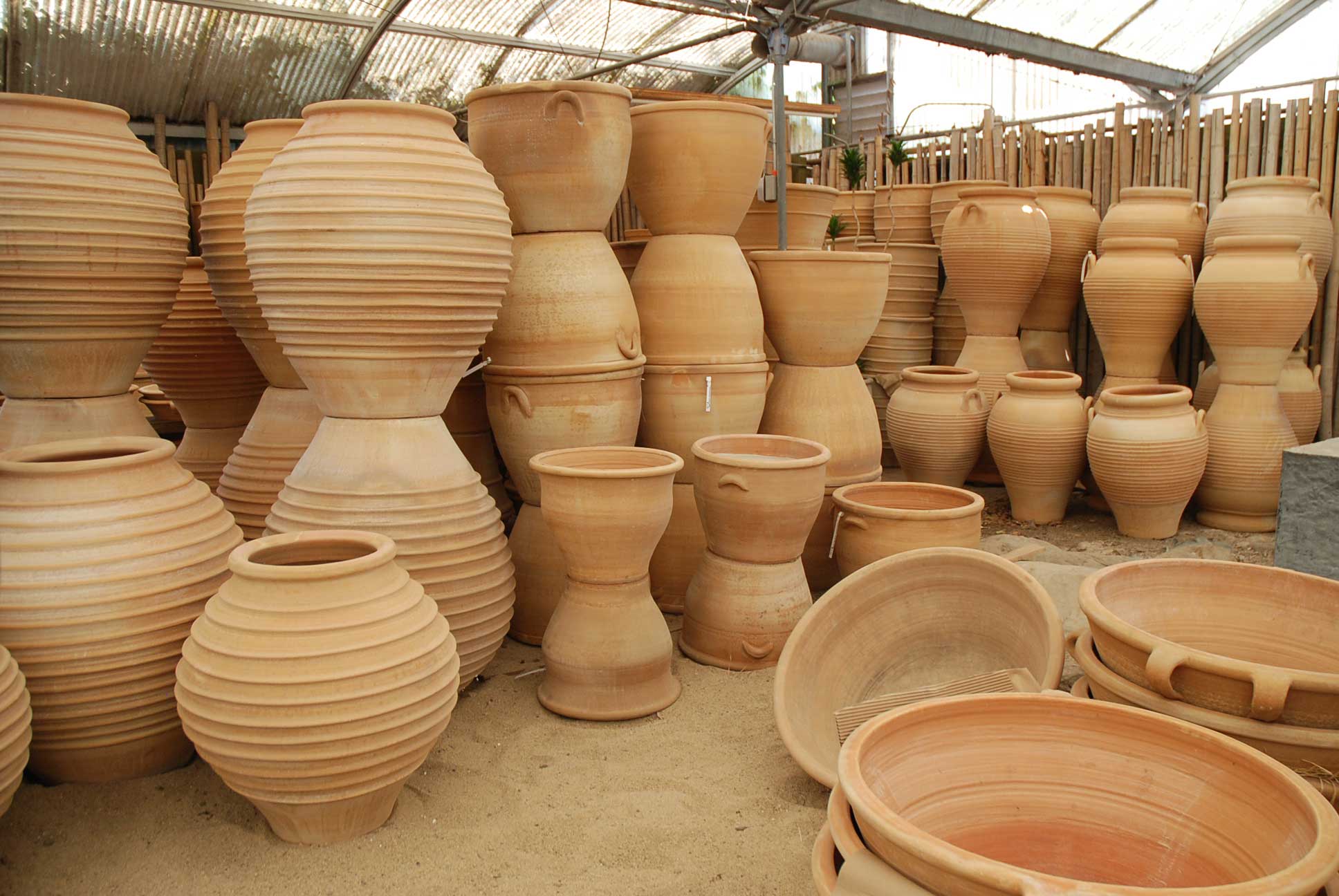
Terracotta, meaning “baked earth” in Italian, is a form of earthenware recognized for its rich reddish-orange clay color. It has been used across Mediterranean, Middle Eastern, and Indigenous cultures for centuries.
While commonly associated with planters and cookware, terracotta tableware has recently re-emerged in modern design for its earthy warmth and handcrafted appeal.
Known for:
-
Rich natural clay tones
-
Textured handmade finish
-
Mediterranean-inspired aesthetic
-
Warm, organic styling
6. Raku Pottery

https://www.raaquu.com/blogs/articles-and-announcements/caring-for-raku-pottery-a-comprehensive-guide?srsltid=AfmBOopRw7ZxPZ9mnadCfa_7Z5JuHk7POZPpmuiOLW5mqR-fGfOPgQxv
Raku pottery originated in 16th-century Japan and was closely tied to traditional tea ceremonies. The firing process involves removing pottery from the kiln while still hot, creating dramatic glaze effects, crackling textures, and unpredictable finishes.
Because every piece develops differently, raku pottery celebrates imperfection and individuality — principles deeply connected to the Japanese philosophy of wabi-sabi.
Known for:
-
Unique crackled glaze patterns
-
One-of-a-kind finishes
-
Artistic handcrafted character
-
Strong ties to Japanese ceramic traditions
7. Majolica

https://www.chairish.com/product/17621275/villeroy-and-boch-reticulated-lilacs-majolica-plates-pair
Majolica emerged during the Renaissance in Italy and became famous for its vibrant tin-glazed surfaces and hand-painted decoration. These pieces often featured floral motifs, botanical patterns, and rich Mediterranean-inspired colors.
Today, majolica-inspired ceramics continue to influence decorative tableware collections that bring color and personality to the table.
Known for:
-
Bright hand-painted designs
-
Glossy glazed finish
-
Decorative artistic appeal
-
Mediterranean influence
The Lasting Beauty of Ceramic Tableware
Ceramics have endured for centuries because they blend artistry with function. From the rustic warmth of terracotta to the refined elegance of porcelain, each type of ceramic carries its own history, craftsmanship, and character.
When thoughtfully chosen, ceramic tableware becomes more than just something we eat from, it becomes part of the experience of gathering, hosting, and creating meaningful moments around the table.
Whether your style leans organic and handmade or polished and timeless, understanding the history behind these materials adds a deeper appreciation for the pieces we use every day.