

How to Set a Table Properly
The Art of Gathering Around the Table
For centuries, the table has been far more than a place to eat. It has served as the center of celebration, conversation, tradition, and connection across cultures and generations. From elaborate royal banquets in Europe to intimate family meals shared in small kitchens, the act of gathering around a table has always carried deep meaning. A thoughtfully prepared table has the power to transform an ordinary meal into an experience that feels intentional, welcoming, and memorable.
Today, table setting is often seen as both a practical skill and a form of creative expression. The way a table is arranged can shape the atmosphere of a gathering and communicate care for the people seated around it. Whether hosting a formal dinner party, setting a holiday table for family, or simply preparing a quiet meal at home, learning how to set a beautiful and functional table can elevate the entire experience.
While styles and traditions have evolved over time, the purpose of a well-set table remains the same. It creates a space where people feel comfortable, connected, and invited to slow down together.
A Brief History of Table Setting
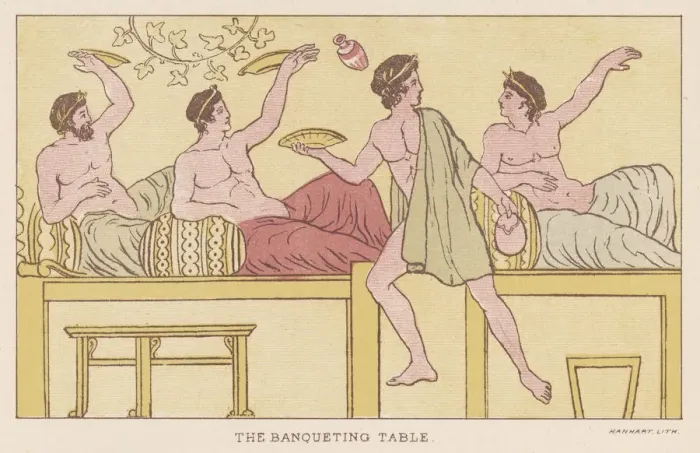
The tradition of table setting dates back thousands of years. In ancient civilizations such as Greece and Rome, communal dining was often an important social ritual. Wealthy households displayed elaborate serving vessels and decorative objects during meals to symbolize status and hospitality. However, individual place settings were not yet common. Guests frequently shared dishes and used bread as a surface for food.
During the Middle Ages in Europe, dining customs became more structured among the upper classes. Long banquet tables were decorated with embroidered linens, candles, silver goblets, and ornate serving platters. Etiquette surrounding meals grew increasingly important, particularly within royal courts and aristocratic households. Over time, utensils became more refined, and individualized place settings slowly emerged.
By the eighteenth and nineteenth centuries, formal dining etiquette had become highly detailed in Europe and America. Multi-course meals required specific arrangements for plates, flatware, and glassware. Proper table setting became associated with sophistication and social etiquette. While modern dining has become more relaxed in many ways, many of these traditional placement rules still influence how tables are arranged today.
At the same time, tableware itself evolved into an art form. Handmade ceramics, fine porcelain, embroidered linens, and hand-polished silver became symbols of craftsmanship and beauty. Across cultures, artisans developed unique styles of pottery and tableware that reflected regional traditions and materials. Today, many people continue to appreciate handcrafted table pieces for the warmth and individuality they bring to the dining experience.
Creating the Foundation of the Table
Every beautiful table begins with a strong foundation. Before placing plates or decor, it is important to think about the atmosphere you want to create. The textures, colors, and materials you choose will shape the feeling of the gathering before guests even sit down.
Table linens are often the starting point. A tablecloth can soften the table and create a sense of elegance, while placemats may offer a more relaxed and modern approach. Linen has remained especially popular throughout history because of its timeless appearance and natural texture. Wrinkled linen often adds charm and softness, creating a table that feels effortless rather than overly formal.
Color also plays an important role in the overall design of the table. Neutral palettes tend to create a calm and refined atmosphere, while layered colors and patterns can bring energy and warmth to the setting. Seasonal colors are often incorporated into tablescapes as well. Soft pastels may appear during spring gatherings, while deep earth tones and rich textures often complement autumn meals.
Lighting should also be considered when creating the foundation of the table. Candlelight has been used throughout history to create intimacy and warmth during meals. Even today, candles can instantly make a table feel more inviting and atmospheric. Natural light during daytime gatherings can also influence the colors and materials chosen for the setting.
The foundation of the table should ultimately support both beauty and function. Guests should feel comfortable while still sensing intentionality in the overall design.
Understanding the Basic Table Setting
A proper table setting does not need to feel overly complicated. At its core, a functional place setting simply ensures that guests have everything they need to comfortably enjoy the meal.
The dinner plate is typically placed in the center of each setting. Traditionally, the plate is positioned about one inch from the edge of the table. This creates visual consistency across the table while leaving enough space for guests to dine comfortably.
If additional courses are being served, smaller plates or bowls can be layered on top of the dinner plate. For example, a salad plate may sit above the dinner plate before the meal begins. Soup bowls are also commonly layered within the setting when serving soup as a first course.
Chargers are sometimes placed beneath dinner plates for formal occasions. Historically, chargers were used during elaborate meals to protect table linens from spills and heat. Today, they are primarily decorative and help create a layered, elevated appearance.

Symmetry often plays an important role in creating a visually pleasing table. Even casual settings tend to feel more polished when each place setting is evenly spaced and thoughtfully arranged.
The Importance of Flatware Placement
Flatware placement has long been associated with dining etiquette, though its purpose is largely practical. The arrangement of utensils helps guide guests through the order of the meal while keeping the setting organized.
Traditionally, forks are placed on the left side of the plate, while knives and spoons are positioned on the right. Knife blades should face inward toward the plate. This placement originated centuries ago as both a sign of etiquette and safety during formal dining.
One of the most common rules in formal dining is that utensils are arranged in the order they will be used. The outermost utensils are used first, with guests working inward toward the plate throughout the meal.
For example, if a salad is served before the main course, the salad fork would be placed on the outside of the dinner fork. Soup spoons would also sit farther outward if soup is served as an early course.
Dessert utensils may be placed horizontally above the plate or brought out later with dessert service. While modern dining is often more relaxed, these traditional arrangements still help create a table that feels intentional and organized.
Choosing the Right Dinnerware
Dinnerware has the power to completely shape the character of a table. Minimal ceramic plates may create a modern and understated setting, while layered patterned dishes can bring richness and personality to the table.
Historically, fine porcelain became highly valued in Europe after trade routes introduced Chinese porcelain to Western markets. European artisans later developed their own forms of porcelain and ceramic craftsmanship, leading to centuries of innovation in tableware design.
Today, many people are drawn to handcrafted ceramics because of their imperfections and individuality. Slight variations in glaze, texture, and shape often make handmade pieces feel more personal and artistic.
When choosing dinnerware, it is important to think about balance. Mixing textures and styles can create depth, but too many competing elements may feel overwhelming. A thoughtful combination of materials often creates the most inviting table.
Layering plates and bowls also adds visual interest. A simple linen napkin placed between layered dishes can soften the arrangement and create dimension within the place setting.
Styling Glassware Thoughtfully
Glassware serves both functional and decorative purposes on the table. The placement and style of glasses can influence how formal or relaxed a setting feels.
Traditionally, glasses are positioned above the knives on the upper right side of the setting. Water glasses are typically closest to the guest, while wine glasses are placed slightly above or beside them.
Formal dinners may include separate glasses for water, red wine, white wine, or champagne. However, modern entertaining often embraces simplicity. Even a single thoughtfully chosen glass can feel elegant when paired with the rest of the table.
The material and shape of glassware can also contribute to the atmosphere. Delicate vintage glasses may create a romantic feeling, while clean modern silhouettes often feel minimal and contemporary.
Regardless of style, it is important to avoid overcrowding the table. Guests should have enough room to comfortably reach their glasses without clutter interrupting the dining experience.
The Role of Napkins and Linens
Napkins are one of the easiest ways to add softness and texture to a table setting. Throughout history, cloth napkins were considered symbols of refinement and hospitality. Today, linen napkins remain popular because they instantly elevate even casual meals.
There are many ways to style napkins depending on the desired atmosphere. A neatly folded napkin placed at the center of the plate may feel classic and refined. A loosely gathered napkin tied with ribbon or twine may create a softer and more organic appearance.

Layering textiles throughout the table can also create warmth and depth. Linen runners, textured placemats, and soft napkins all contribute to a table that feels welcoming and lived in.
Natural materials often help soften the structure of formal table settings, making the overall experience feel more approachable and comfortable for guests.
Creating a Meaningful Centerpiece
Centerpieces have long been used to create visual focus during meals and gatherings. In historical banquets, elaborate floral arrangements and decorative displays symbolized wealth and celebration. Today, centerpieces are often used to express personal style and create atmosphere.
Fresh flowers remain one of the most popular centerpiece choices because they bring life and softness to the table. Seasonal branches, greenery, or fruit arrangements can also create beautiful organic displays.
Candles are another timeless addition. Soft candlelight encourages intimacy and conversation while making the table feel warm and inviting.
When designing a centerpiece, scale is important. Arrangements should never block guests from seeing one another across the table. Lower arrangements often create a more comfortable and conversational environment.
For long tables, multiple smaller arrangements may feel more balanced than one large centerpiece. Repetition across the table can create rhythm and visual harmony.
Mixing Old and New Elements
One of the most beautiful aspects of table design is the ability to mix styles and eras together. Some of the most memorable tables combine antique pieces with modern elements in a way that feels layered and personal.
Vintage silverware paired with contemporary ceramics can create an interesting contrast. Hand-thrown pottery alongside delicate glassware often adds character and warmth.
Historically, many families passed down tableware and linens through generations. Incorporating inherited or collected pieces into a table setting can make gatherings feel deeply personal and meaningful.
A table does not need to feel perfectly matched to feel beautiful. In fact, slight imperfections and collected elements often create a more welcoming and authentic atmosphere.
Setting the Table for Different Occasions
Different gatherings call for different approaches to table setting. A casual breakfast with family may require only the essentials, while a formal dinner party may involve multiple courses and layered place settings.
For casual meals, simplicity often works best. Minimal place settings, natural textures, and relaxed arrangements can create a comfortable atmosphere without feeling overly styled.
Formal dinners typically involve more structure and layering. Multiple utensils, coordinated glassware, and carefully arranged courses help guide guests through the meal experience.
Outdoor dining introduces additional considerations as well. Wind, weather, and lighting all affect how the table should be styled. Weighted linens, durable dinnerware, and simple centerpieces often work best outdoors.
Holiday tables may also incorporate seasonal decor and traditions that reflect family customs or cultural celebrations. These personal touches often make gatherings feel especially memorable.
Why Table Setting Still Matters Today
In today’s fast-paced world, intentional gathering spaces matter more than ever. Many meals are rushed or distracted by technology, making meaningful time around the table increasingly valuable.
Setting the table with care encourages people to slow down and engage with one another. Even simple details can communicate thoughtfulness and hospitality.
A beautifully prepared table does not need to feel expensive or overly formal. What matters most is the feeling it creates for the people gathered around it.
Handmade ceramics, soft candlelight, layered linens, and thoughtful details all contribute to an atmosphere where people feel welcomed and connected.
At its heart, table setting is not simply about aesthetics or etiquette. It is about creating space for conversation, celebration, and human connection.
The art of setting a table has evolved over centuries, yet its purpose has remained remarkably consistent. A thoughtfully prepared table brings people together and transforms ordinary meals into meaningful experiences.
Whether your style is elegant and refined, relaxed and organic, or layered and eclectic, the most beautiful tables are often the ones that feel personal and intentional. By combining function with creativity, history with modern living, and beauty with comfort, you can create a table that invites people to gather, linger, and connect.
In the end, the table is never just about the plates, linens, or decor. It is about the moments shared around it.